How to Perform Magic for Friends and Family
Learn how to perform magic tricks for friends and family with confidence. Practical tips on close-up magic, impromptu performance, and audience handling.
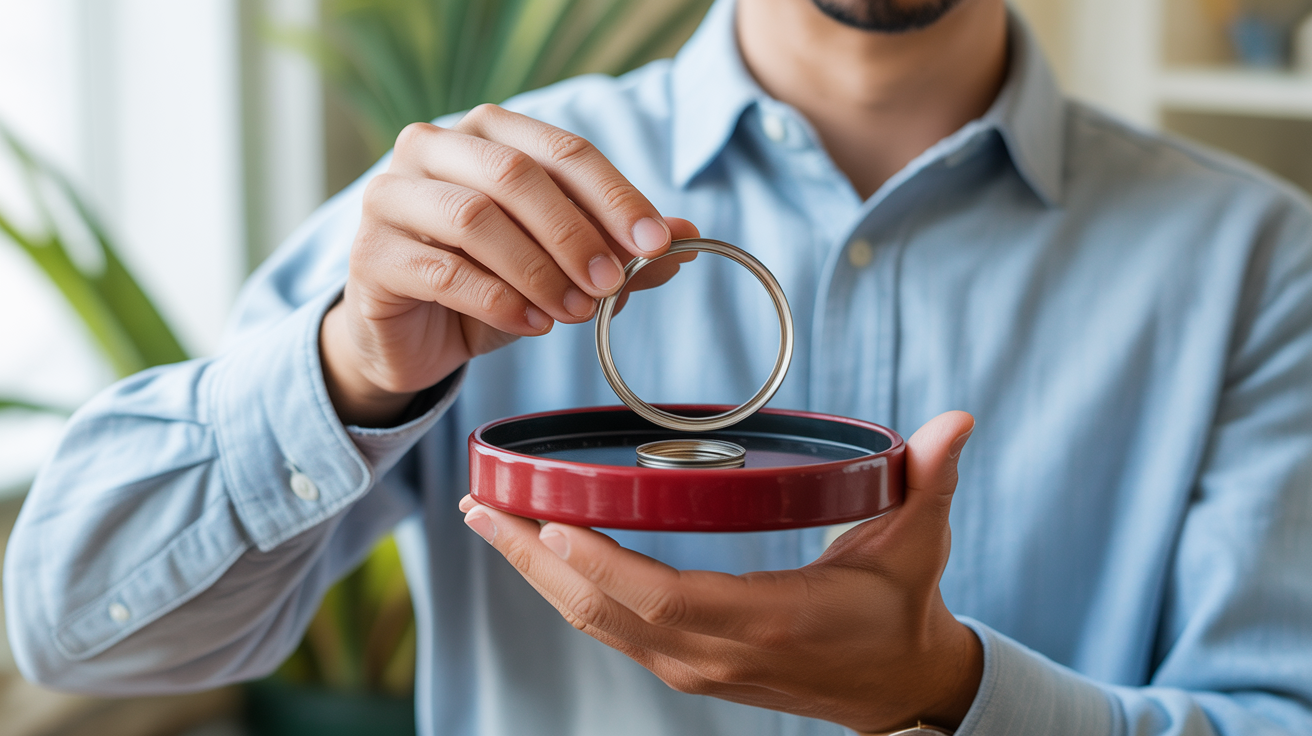
Performing for people you know is one of the best testing grounds in magic. Your friends and family already trust you, they want to enjoy what you're showing them, and they're patient when something takes a beat longer than expected. That makes them ideal early audiences.
The challenge is that familiarity cuts both ways. People who know you well sometimes feel entitled to grab the cards, peek at your hands, or ask "wait, can I see that again?" Learning to perform comfortably for people you know well is its own skill, and it's worth developing on purpose.
Start with Tricks You've Actually Practiced
There's a temptation to pull out your newest trick at a family gathering before you're ready. Resist that. A trick performed smoothly ten times in front of a mirror is more impressive than a flashier effect performed sloppily the first time an audience sees it.
When you're just starting out, keep your performing repertoire small. Two or three solid tricks done well will generate more genuine wonder than a dozen half-remembered effects. People remember the moments that felt impossible, not the quantity of things you showed them.
A good rule: don't perform a trick for a real audience until you've done it fifty times alone. That might sound extreme, but sleight of hand especially requires that kind of repetition before it becomes unconscious and smooth.
Choosing the Right Tricks for Close Audiences
Close-up magic for family and friends works best when the tricks feel personal and visual. Card tricks, coin vanishes, and simple rubber band effects all work well in living rooms, at dinner tables, and in small groups.
Avoid tricks that require distance, long setup times, or specific lighting conditions unless you've specifically set the room up for them. Close-up magic for family settings should feel spontaneous, even if you've practiced it extensively.
A few good categories to draw from:
- Self-working card tricks that rely on mathematical principles rather than sleight of hand. These let you focus entirely on presentation without worrying about technique.
- Coin magic with a single coin or a borrowed coin. Borrowing something from a spectator immediately raises the stakes in a good way.
- Packet tricks using just a few cards rather than a full deck. They're easier to handle, more visual, and ideal for small groups where everyone can see.
Handling Friends Who Want to Expose You
This is the part nobody warns you about. When you perform for close friends, someone will almost certainly try to catch you out. They'll ask "how did you do that?" repeatedly, try to grab the cards mid-trick, or start explaining what they think the method is (often incorrectly).
This is normal, and it actually signals that you've done something interesting. The key is having a confident, friendly response ready before it happens.
A few approaches that work:
- Redirect with humor. "I could tell you, but then I'd have to make you disappear" is old but effective. Keep it light.
- Offer to do the trick again. Performing the same trick twice often deepens the mystery rather than explaining it, especially if you can vary the method on the second pass.
- Simply say no and move on. "That one I keep to myself" said with a smile is completely fine. You don't owe anyone an explanation.
Never explain a trick to preserve peace. The moment you reveal a method, the wonder disappears permanently and the person asking usually regrets asking. Protect the experience for both of you.
Reading Your Audience in a Family Setting
Family gatherings span ages, attention spans, and moods. Your grandmother and your ten-year-old nephew will respond to very different presentations, and you'll usually be performing for both at once.
A few things to pay attention to:
| Audience type | What tends to work |
|---|---|
| Young children (6-10) | Visual, colorful, outcome-focused effects |
| Teenagers | Challenges, participation, interactive card work |
| Adults | Character, humor, tricks with an emotional beat |
| Mixed groups | One spectator chosen to "help" with the trick |
Choosing one person to participate always helps with mixed groups. It gives everyone else a clear role (watching the volunteer's reactions) and keeps the energy focused rather than scattered.
Also read the room before you start. If everyone is mid-conversation or in the middle of a meal, starting a trick cold tends to fall flat. Wait for a natural pause, or simply say "let me show you something quick" and have the deck or coin already in hand.
Building a Short Set for Impromptu Situations
Impromptu magic for friends means being ready to perform with whatever you have available, without any elaborate setup. The best way to always be ready is to carry a few things and know them so well that you can perform them anywhere.
A basic impromptu kit might include:
- A deck of cards in a pocket or bag
- A few coins (at least one that's clearly visible and distinct)
- A rubber band
With those three things, you can fill ten to fifteen minutes of good close-up magic. The key isn't the props, it's knowing your material cold so you're not thinking about the method while you're performing.
For tips on putting these effects into a coherent sequence, see how to build your first magic routine or set. A structured set of three to four tricks with a strong closer will always feel more professional than the same tricks performed in random order.
Managing Nerves Around People You Know
Counterintuitively, many beginners find it harder to perform for people they know than for strangers. The fear of judgment from people whose opinions matter to you is real.
The best antidote is preparation, but the second-best is perspective. Your friends and family are not a hostile audience. If something goes slightly wrong, they'll forget it by next week. If something goes right, they'll talk about it for years.
If performing for people you know still feels intimidating, how to perform magic without getting nervous covers specific techniques for managing that anxiety before and during a performance.
Frequently Asked Questions
Should I tell people I'm going to do magic, or just start?
Starting without announcement tends to work better for small groups. Say something like "let me show you something" and go directly into the trick. Announcing "I'm going to do a magic trick" raises expectations and gives skeptics time to prepare their defenses.
What do I do if a trick goes wrong in front of family?
Stay calm and stay in character. If you can, cover the mistake with a joke or an "let me try that differently" and attempt a recovery. If the trick is lost, simply move on to the next one without dwelling on it. Your reaction matters more than the mistake. Most audiences forget failed tricks quickly if you stay confident.
Is it okay to perform the same trick twice at the same gathering?
Generally, avoid repeating a trick for the same person in the same sitting. Repetition invites analysis, and people watch differently the second time. If someone asks to see it again, consider performing a different but similar effect instead.
How long should I perform before stopping?
Leave the audience wanting more. Ten to fifteen minutes of strong, focused close-up magic is usually enough for an informal family setting. Stopping while people are still engaged is better than continuing until attention drifts. The goal is for them to bring up the magic you did weeks later, not for you to fill every available moment.
Do I need to use patter when performing for friends and family?
Having some scripted words helps you stay on track even when you're nervous, but the patter for close friends can be more casual than what you'd use for strangers. What matters is that you're talking throughout the trick rather than performing in silence. For more on developing your words, see what is patter: scripting your magic.