How to Practice Magic the Right Way
Learn how to practice magic tricks effectively with routines built on slow repetition, mirror work, recording, and real performance experience.
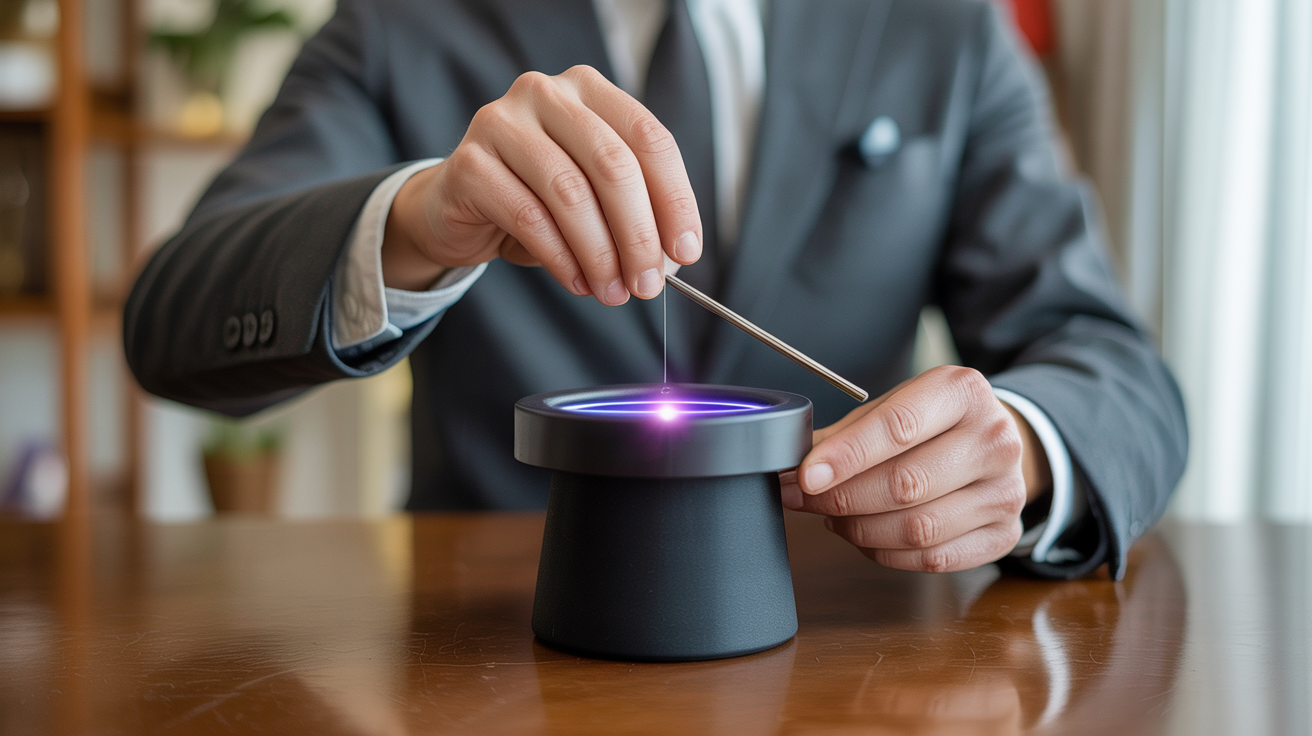
Most beginners learn a trick and then perform it almost immediately. That impulse is understandable, but it usually leads to awkward moments, fumbled moves, and the suspicion that magic is harder than it looks. The gap between knowing a method and performing it convincingly is closed in one place: the practice session.
Good practice is a skill of its own. This guide covers how magicians actually train, what a reliable practice routine looks like, and how to know when you are genuinely ready to perform.
Start Slow Before You Go Fast
The single most common mistake in magic practice is rushing. You learn a card sleight, you want to see it at performance speed, and you start drilling it fast before your hands know what to do. The result is a move that falls apart under any real pressure.
The right approach is the opposite. Start every new technique at roughly half the speed you would eventually perform it. When a move is slow, your hands register each individual step. You build a clean foundation instead of a fast-but-sloppy habit.
Once the slow version feels mechanical and reliable, you can gradually bring up the speed. There is no shortcut here. A move practiced slowly for two weeks will look smoother than a move drilled fast for a month.
This applies equally to beginners learning their first tricks and to people who have been doing magic for years. Slow practice is not a beginner's compromise; it is a professional's tool.
Use a Mirror (But Understand What It Does and Does Not Show You)
Practicing magic in the mirror is standard advice for a reason. Mirrors let you see your own angles, catch tells in your hands, and watch the effect from a viewer's perspective rather than from behind the secret.
A few things to keep in mind:
What the mirror is good for. Checking whether a concealed object is visible, monitoring your facial expression, and confirming that your body language looks natural and relaxed.
What the mirror does not replicate. A real spectator watches you from different angles and at unpredictable distances. They also react. The mirror gives you no feedback on pacing, no interruptions, and no nervous energy. Do not confuse mirror comfort with performance readiness.
One practical habit. After a few practice sessions in the mirror, move your practice to a chair facing away from the mirror. Force yourself to perform without visual feedback. This builds the muscle memory you need when you cannot see yourself.
Record Yourself and Watch the Footage
If a mirror is useful, video is even better. Your phone camera does not need to be elaborate. Set it at roughly the height your spectator's eyes would be, and film yourself running through the trick.
When you watch the recording, look for three things:
- Unnatural pauses. If you hesitate before or after the method moment, spectators will notice even if they do not know why.
- Angles. Watch for any glimpse of what should be hidden, especially at the edges of the frame.
- Your face and body. Are you looking down at your hands when you should be making eye contact? Are your shoulders tense?
Most people are surprised by what the camera catches. A move that felt invisible during practice often looks slightly off on screen. This is good information, not bad news. Fix it in practice before you perform it live.
Build a Consistent Practice Routine
Sporadic practice rarely produces reliable results. A magic practice routine with structure and repetition is more effective than long, unfocused sessions.
Here is a simple framework that works for most beginners:
| Session segment | Duration | What you do |
|---|---|---|
| Warm-up | 5 minutes | Run familiar tricks you already perform well. This gets your hands moving and builds confidence. |
| Technical work | 10 to 15 minutes | Focus on one specific technique or move. Slow reps, then gradually faster. |
| Full run-through | 5 to 10 minutes | Perform a complete routine from start to finish, as if a spectator were present. Say your patter out loud. |
| Review | 2 to 3 minutes | Watch your phone recording or make notes on what needs work. |
Short, daily sessions of 20 to 30 minutes will produce faster improvement than one long session on the weekend. Consistent repetition is how techniques move from conscious effort into automatic movement.
Perform for a Real Audience Before You Feel Ready
At some point you have to stop practicing in private and perform for a real person. Most beginners delay this longer than necessary, waiting for a level of perfection that never quite arrives.
A live audience changes everything. There is nervous energy you cannot simulate in practice. People ask questions you did not anticipate. Someone moves to a different angle. These pressures expose the gaps in your preparation, and they also build the confidence that solo practice cannot provide.
Start small. Perform for one trusted friend or family member. Observe what happens. The trick does not need to be your best one. The goal of your first live performances is not to dazzle anyone; it is to get used to performing while someone else is watching.
After the performance, reflect on what held up and what did not. That information shapes your next practice session more than anything else. The cycle of solo practice and live performance is how magicians at every level improve.
If you want to understand the range of what you might eventually perform, it helps to know the different branches of magic. Some styles require more visual precision; others rely more on presentation and psychology. Knowing where your interests lie helps you direct your practice time.
The Role of Repetition Over Time
A single technique can take anywhere from a few days to several months before it feels genuinely automatic. Magic does take real effort to learn, but that effort pays off in an unusual way: once a move is properly learned, it stays. Muscle memory is durable.
Track your progress in a simple way. After each session, rate the technique you worked on from one to five based on how confident you felt. Over two to three weeks, you will see the numbers climb, and that upward trend is a useful signal for when a technique is ready for live performance.
Do not attempt to learn too many things at once. Beginners often jump from trick to trick, adding new material before old material is solid. Pick one or two techniques and work them thoroughly before moving on.
Frequently Asked Questions
How long should I practice each day? Twenty to thirty minutes of focused daily practice is more productive than longer sessions spaced days apart. The consistency matters more than the total hours per week.
Should I always practice in front of a mirror? The mirror is useful for visual feedback, but it should not be the only setting you practice in. Mix mirror sessions with practice facing away from it, and with recorded sessions. Each gives you different information.
How do I know when I am ready to perform a trick? A reliable signal is consistency under mild pressure. If you can run the trick three times in a row without a mistake while having a casual conversation, you are probably ready for a low-stakes performance. Do not wait for perfect confidence; start with low-stakes audiences.
What if I mess up during a live performance? Stay calm and keep moving. Most spectators do not know enough about the trick to recognize a recovery. The performer's reaction to a mistake matters far more than the mistake itself. A flustered reaction draws attention; a composed one lets the moment pass. Practice your recovery as well as your technique.
Can I practice too much? If your hands feel sore or fatigued, especially when learning coin or card sleights that involve gripping and flexing, take a rest day. Overuse injuries are rare but possible. Physical fatigue also degrades the quality of repetitions, so practicing through exhaustion rarely adds value.