How to Choose and Care for a Deck of Cards
Learn which playing cards work best for magic, why Bicycle cards are a go-to standard, and how to break in and maintain a deck.
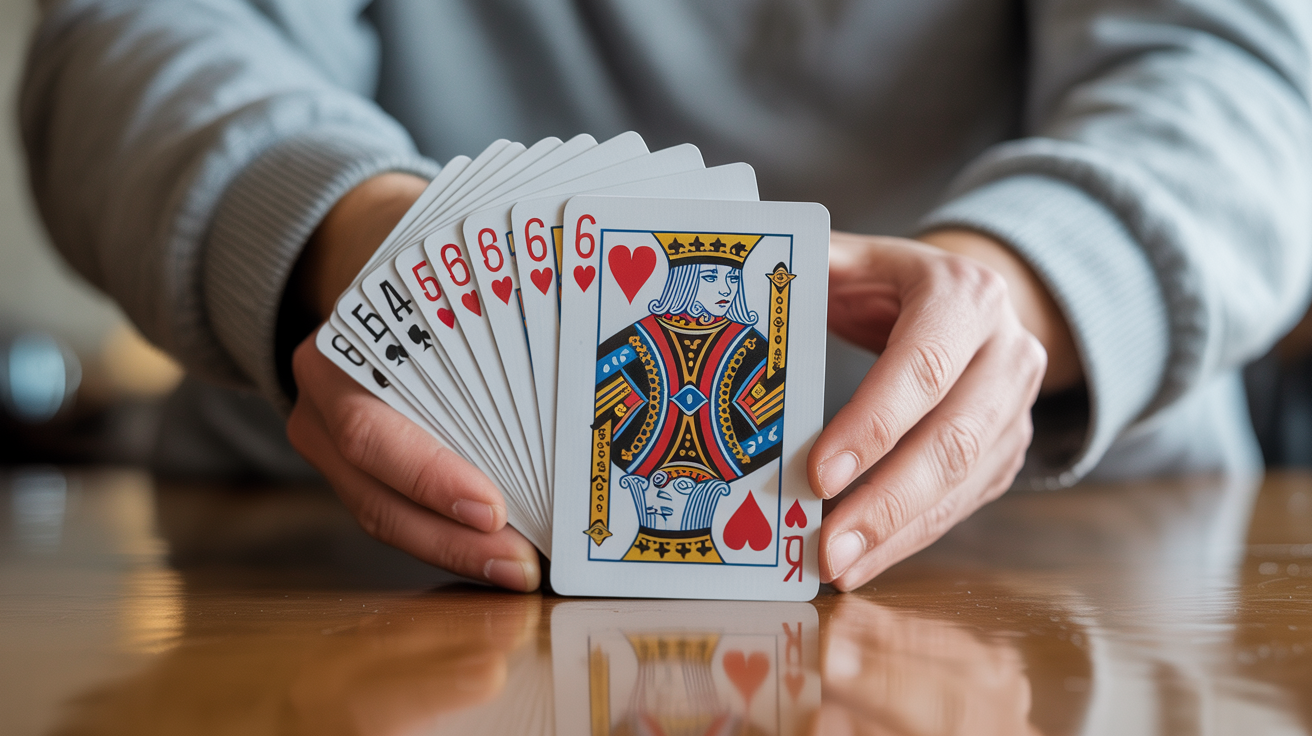
If you've decided to learn card magic, the first real decision you face is which deck to buy. Walk into any card shop or browse online and you'll find dozens of options: custom decks with dramatic artwork, "marked" decks, plastic cards, paper cards. The variety is genuinely overwhelming for a beginner.
The good news is that the answer is simple, and it's been simple for a long time. Start with card tricks for beginners and a single standard deck before worrying about anything else.
Why Bicycle Cards Are the Standard
Bicycle playing cards, made by the United States Playing Card Company, have been the default choice for magicians for generations. That's not a marketing claim; it's a practical reality.
The cards are printed on a paper-based card stock with a specific weight and texture that allows them to fan, spring, riffle, and glide consistently. Magicians who learned on Bicycles know exactly how the cards will behave. When you watch a tutorial online, the instructor is almost certainly using Bicycles. When you perform for someone who plays cards, they'll recognize the deck as completely ordinary, which matters.
The back design also matters. The classic Rider Back design is symmetrical, meaning a card looks the same whether it's upright or reversed. Many beginner techniques, including the key card principle, rely on reading cards by position or orientation, so a symmetrical back is essential unless you have a specific reason to use an asymmetrical one.
Bicycle cards come in two standard sizes:
- Poker size (2.5 x 3.5 inches): The size most magicians use. It's what the tutorials assume.
- Bridge size (2.25 x 3.5 inches): Slightly narrower. Some card handlers with smaller hands find these easier to manage, but they're less common, and techniques don't always transfer directly.
Start with poker size unless you have a strong reason not to.
What "Air-Cushion Finish" Means
Bicycle cards are printed with what the manufacturer calls an Air-Cushion Finish. This refers to a micro-embossing on the surface of the card that creates tiny pockets of air between cards when they're pressed together.
In practice, this means the cards slide against each other smoothly rather than sticking. A clean riffle shuffle depends on the cards releasing from your thumbs evenly. A false cut or a simple card force depends on cards gliding predictably under your fingers. The finish is what makes those actions repeatable rather than sticky and unreliable.
Cheaper cards sold at dollar stores or as bulk party supplies typically skip this embossing step. They may look similar, but they feel different in the hands and don't hold up to repeated handling. When people say card magic requires practice, part of what they mean is that you need to practice on cards that behave the way good cards behave, so your hands learn the right feedback.
How to Break In a New Deck
A fresh deck is too stiff and too slippery at the same time. The cards grip each other at the edges but slide too easily on the faces. Breaking in a deck loosens the card stock to a point where handling feels natural.
The process takes a few minutes:
- Remove the deck from the box and take off the jokers and extra cards you won't use.
- Hold the full packet face-down in one hand and riffle the short edge with your thumb, applying gentle pressure to bend the deck slightly away from you. Do this a few times.
- Reverse the direction and riffle toward you a few times.
- Split the deck roughly in half and give each half a gentle lengthwise bend, then press the two halves together to flatten them back out.
- Do a few overhand shuffles, then a few riffle shuffles.
After five or ten minutes of gentle handling, the cards will start to feel settled. Don't force the process. Bending cards aggressively creates permanent creases, which ruin the deck for any trick that depends on a smooth fan or spread.
Some magicians prefer to break in a deck over the course of a few practice sessions rather than all at once. Either approach works.
Caring for Your Cards
Playing cards are paper, and paper is sensitive to moisture, oil, and heat. Sweat from your hands is the main enemy of a good deck. Over time, the oils from your skin coat the cards and make them grip instead of slide. The finish deteriorates and the cards start to feel sticky.
A few habits extend the life of a deck:
- Wash your hands before handling a deck you care about, especially before a performance.
- Store cards in their box when not in use, and keep the box somewhere dry and at room temperature.
- Avoid handling cards near food or drinks.
- If you practice for extended sessions, rotate between two decks so one rests while you use the other.
Some card handlers use a small amount of talcum powder or magician's wax on their hands to counteract moisture. These are options worth exploring as you advance, but for a beginner, clean hands and proper storage are enough.
When to Retire a Deck
No deck lasts forever. A well-used practice deck might last a few weeks of heavy use; a deck used mainly for performances might last months.
The signs that a deck needs replacing:
- Cards fan unevenly or bunch together in spots
- The edges have significant wear or fuzz (called "pipping")
- Cards are visibly warped or curved in one direction
- A specific card feels noticeably different from the others (often caused by a bend or crease)
A retired deck doesn't have to be thrown away. Some magicians keep old decks for practicing cuts and shuffles where appearance doesn't matter, or for learning new techniques where they don't mind the occasional crease. The key is not performing with a tired deck for an audience.
Deck Options Worth Knowing About
Once you're comfortable with standard Bicycles, a few other card stocks are worth knowing:
| Deck | Card Stock | Notes |
|---|---|---|
| Bicycle Rider Back | Standard USPCC stock | The default. Start here. |
| Bicycle 808 Jumbo Index | Same stock, larger indices | Useful for visibility at a distance |
| Tally-Ho Circle Back | USPCC fan back finish | Slightly stiffer; popular for card mechanics |
| Bee No. 17 | Casino stock, no border | Used by casinos; durable but different handling feel |
Avoid novelty decks with unusual sizes, tarot-style cards, or non-standard backs for learning purposes. They may be interesting to look at, but they don't behave like the cards your tutorials assume.
Frequently Asked Questions
Do I need a special "magic" deck to start learning card tricks?
No. A standard Bicycle Rider Back deck from a pharmacy or online retailer is exactly what most professional magicians use. Decks marketed specifically as "magic decks" are sometimes gimmicked for specific effects and are not general-purpose learning tools.
How many decks should a beginner buy?
Start with two or three. That way you always have a broken-in deck to practice with and a fresh one to use for performances. Buying in small quantities also means you're not hoarding cards that may age before you use them.
Can I use plastic cards for magic?
Plastic cards, like those sold for poker use, are very durable but have different handling properties. They don't fan as smoothly, they're harder to do certain moves with, and they feel distinctly different to an audience. They're fine for card games but not ideal for magic.
What's the difference between a marked deck and a regular one?
A marked deck has subtle coding on the card backs that allows the magician to identify the face of a card without seeing it. These are legitimate tools for specific tricks, but they require learning how to "read" the marks and are not a substitute for learning fundamentals. Start with an unmarked standard deck.
How often should I replace my practice deck?
When the cards start to feel noticeably sticky, fan unevenly, or show visible wear, replace them. Some magicians go through a deck every few weeks during intensive practice. Others make a deck last several months. The feel of the cards in your hands is the best indicator.